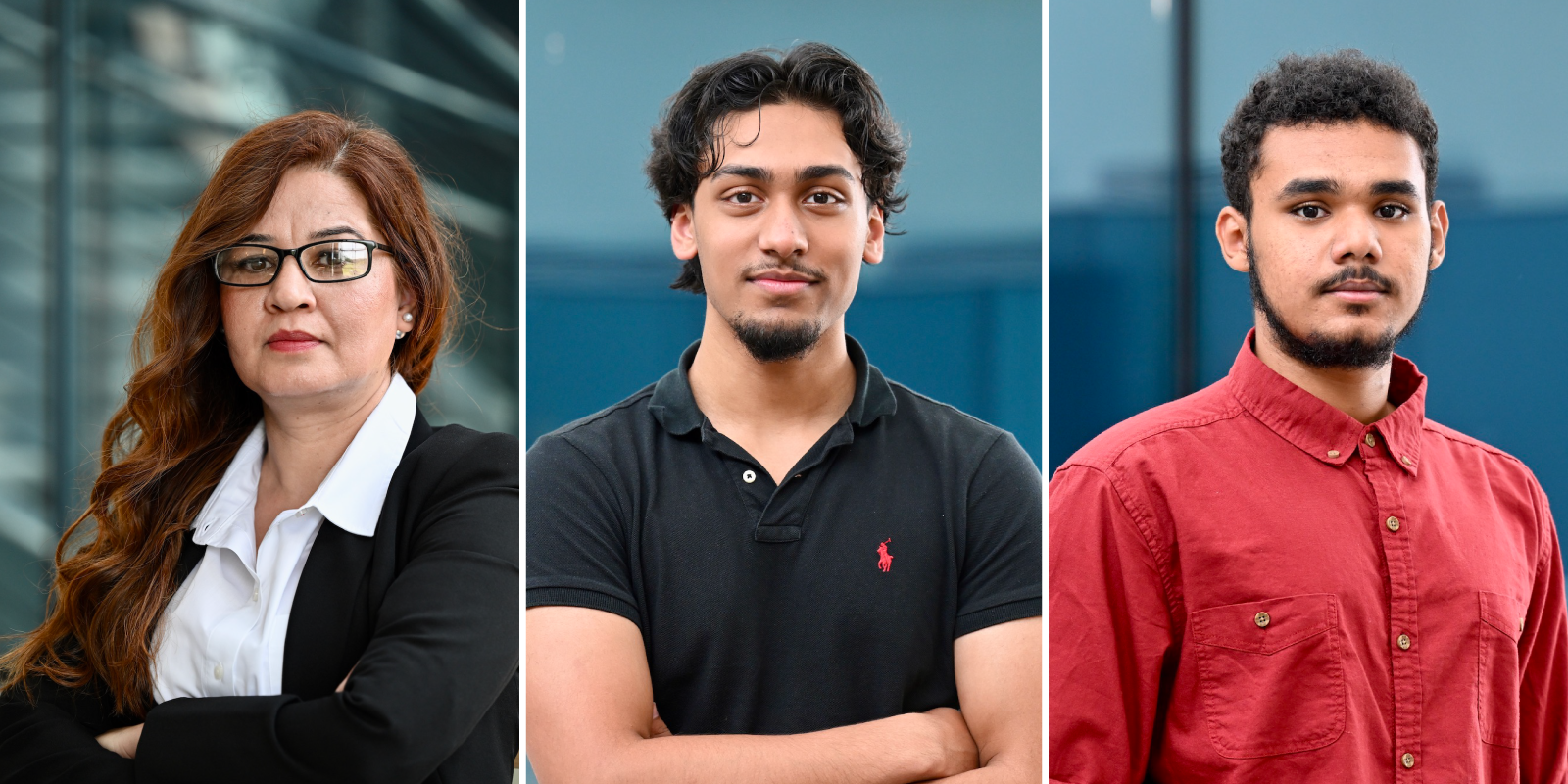
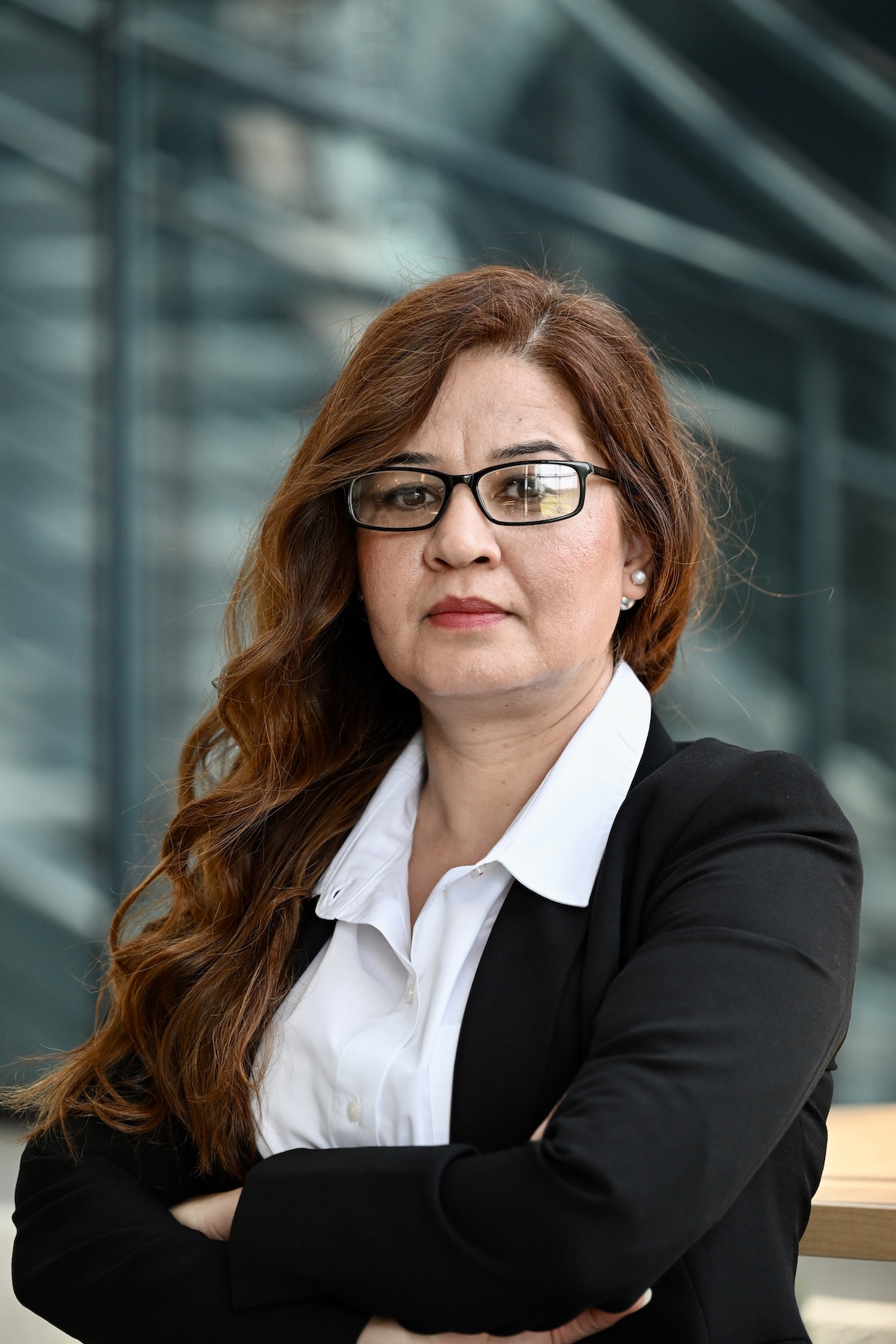
Student Spotlight in Cybersecurity: Mehreen Khan
“I absolutely recommend NOVA’s Cybersecurity program. The curriculum is hands-on with labs and simulations, and our class projects and presentations—some of them were unbelievable—prepared us for the workforce. There are free exam vouchers and training materials for certifications, including Security+. There are so many opportunities.”
In 2010, Mehreen Khan immigrated from northern Pakistan to the U.S. Soon after, she was hired as a civilian contractor with the U.S. Army and to Afghanistan, where she served as a linguist and cultural advisor. She speaks Pashto, one of the two official languages of Afghanistan.
“When you’re on deployment, it’s a very close-knit kind of environment,” she says.
“I traveled with cybersecurity analysts, and we would get briefs on how to protect yourself and the data you are gathering, and what to do with it. That’s what sparked my interest in the field.”
Mehreen took a break from her career to raise her son and daughter. When her daughter started school, she began taking classes at NOVA—and immediately felt at home.
“Beside my home, over the past two and a half to three years, NOVA has been my happy place,” she says. “I’ve learned so much, made friends with new people, had new adventures, and it’s turned out to be the best experience. I want to remain a part of it.”
She graduated from NOVA in May with an associate degree in Cybersecurity and is now pursuing her bachelor’s degree in Cybersecurity at George Mason University (GMU).
Mehreen credits her professors with guiding her success, including Nasser Abdel Maksoud, Tierney Pitzer, Santwana Das, Shirley Cash, Khanh Dinh, Kwabena Konadu (KK), and Syed Fuad. Professor KK, she says, “goes out of his way to accommodate students,” and she continues to take his weekly CBT Nuggets class to stay current on emerging technologies.
Professor Fuad was especially influential. ITN 100, Introduction to Communications, was challenging as she adjusted to U.S. schooling, a new learning style, and unfamiliar technology. After midterms, she considered dropping the class, but Professor Fuad encouraged her to focus on learning. Always supportive and passionate about cybersecurity, he ultimately kept her from leaving the program. She later took ITN 260, Network Security Basics, with him as well and earned her Security+ and ISC2 certifications on his recommendation.
Outside the classroom, Mehreen maximized every opportunity NOVA offered. She completed the Career Leadership Readiness Institute (CLRI), which boosted her confidence, strengthened her professional skills, and connected her with mentors and industry leaders. Her biggest takeaway was the importance of soft skills. The program also offered résumé workshops, mock interviews with Amazon Web Services recruiters using the STAR method, and guidance on navigating Applicant Tracking Systems.
She also secured a NASA ULI Summer Internship through NOVA at George Washington University’s Intelligent Aerospace Systems Lab. Twice a week, Mehreen and three other NOVA interns traveled to GWU’s Foggy Bottom campus to collaborate with the mechanical engineering department. They researched vulnerabilities in the MAVLink communication protocol used in commercial delivery drones under the supervision of GWU Professor Dr. Peng Wei and NOVA Professor KK.
In addition, Mehreen is a member of Phi Theta Kappa, the National Society of Collegiate Scholars, and she was recognized as a Presidential Scholar.
As for her future plans, Mehreen is focused on completing her bachelor’s degree in cybersecurity at GMU. After that, she plans to pursue a cybersecurity job and eventually a master’s degree.
Mehreen’s advice for prospective NOVA Cybersecurity students:
- Bring your enthusiasm and patience.
- Be prepared for continuous learning, as the field is always evolving.
- Take advantage of every resource NOVA offers.
- Ask questions—your instructors and advisors are there to help.
- Build connections with your instructors; they are an integral part of your success story.
Student Spotlight in Cybersecurity: Habibullah Husain
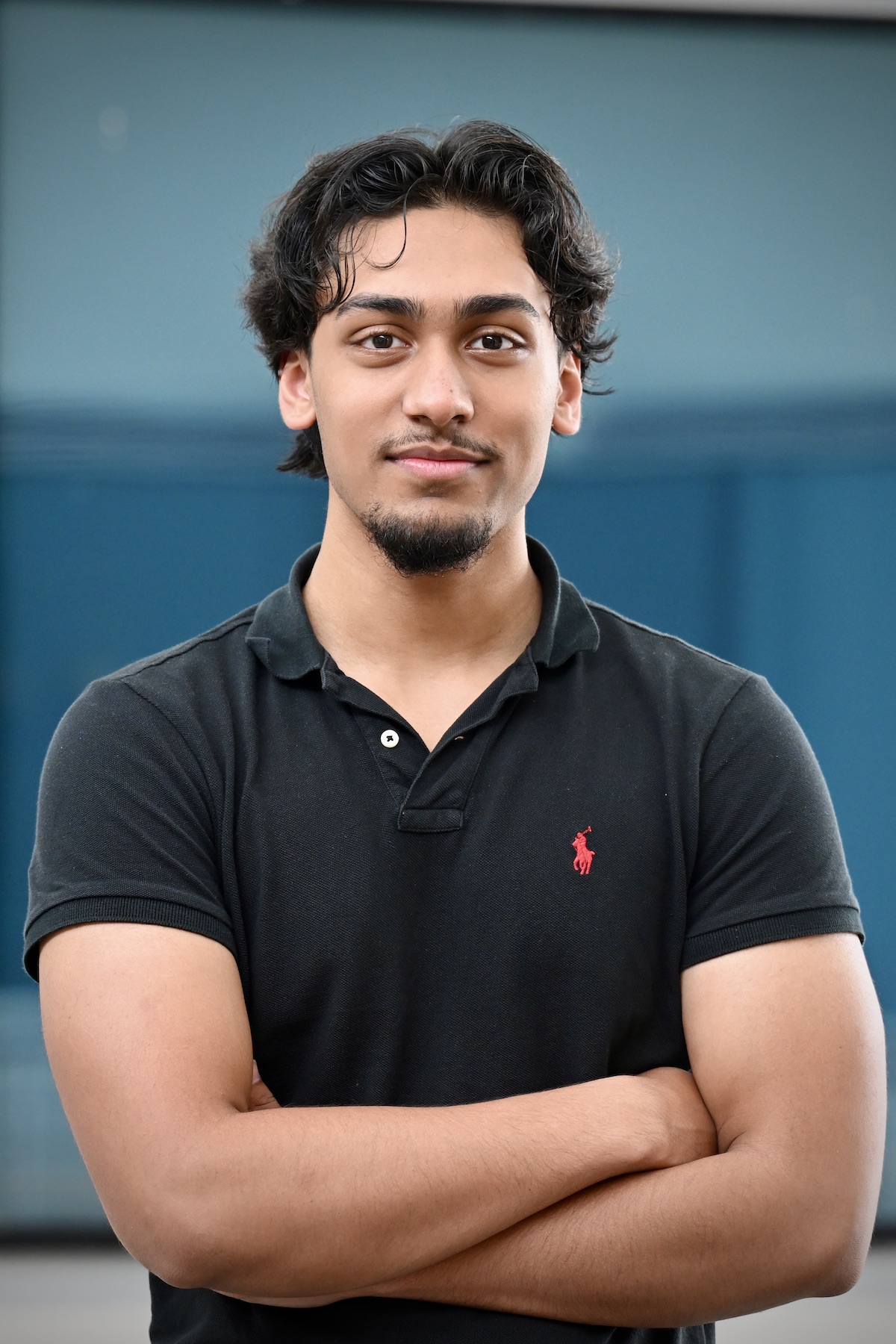 “I’d 100% recommend NOVA’s Cybersecurity program. It’s awesome, and I’ve learned so much from it.”
Inspired by several family members in the IET field, especially an uncle in cybersecurity who has mentored him, Habibullah Husain decided to pursue a degree in the field.
Many of his friends who graduated from NOVA’s IET programs encouraged him to enroll. Professors Kwabena Konadu and Mike Hon were particularly influential. “I like the way they teach,” he says. “They interact with students a lot, explain things clearly, and seem more like friends than teachers. For me, that’s always nice.”
One of his favorite classes was Professor Hon’s ITN 295 Introduction to Payments Cybersecurity, where he learned to use Wireshark to capture network traffic and decrypt it to see what data was being transmitted.
He also enjoyed ITN 101 Introduction to Network Concepts and ITN 260 Network Security Basics with Professor Konadu. In ITN 101, he gained an understanding of how networking works—how information moves from one device to another—and was introduced to a few hacking techniques. ITN 260 taught him a great deal about securing systems.
Habibullah was one of four NOVA cybersecurity students selected for the NASA ULI Summer Internship through NOVA at George Washington University’s (GWU) Intelligent Aerospace Systems Lab. The focus was on securing autonomous aircraft, so the team worked on securing and hacking drones.
The internship began in June and will conclude in August. On Tuesdays and Thursdays, he traveled to GWU’s Foggy Bottom Campus in Washington, D.C. A typical day involved brainstorming with PhD students, meeting with the other NOVA interns, and then heading home to work on their lab assignments.
“The most exciting part was discovering new things about drones,” he says. “As a cybersecurity student, I hadn’t explored that area much since it’s in aerospace engineering. It was nice to step into that environment and see how everything is done.”
Habibullah’s advice to prospective cybersecurity students:
- Take IET electives in high school.
- Talk to people in the IET field.
- Take advantage of the many learning opportunities at NOVA.
In December, Habibullah plans to graduate with an associate degree in Cybersecurity. He hopes to transfer to GWU for the Cybersecurity Bachelor’s Degree Completion Program and then work in the cybersecurity field. He’s open to various opportunities but says working at NASA would be “awesome.”
Student Spotlight in Cybersecurity: Mohamed Taha
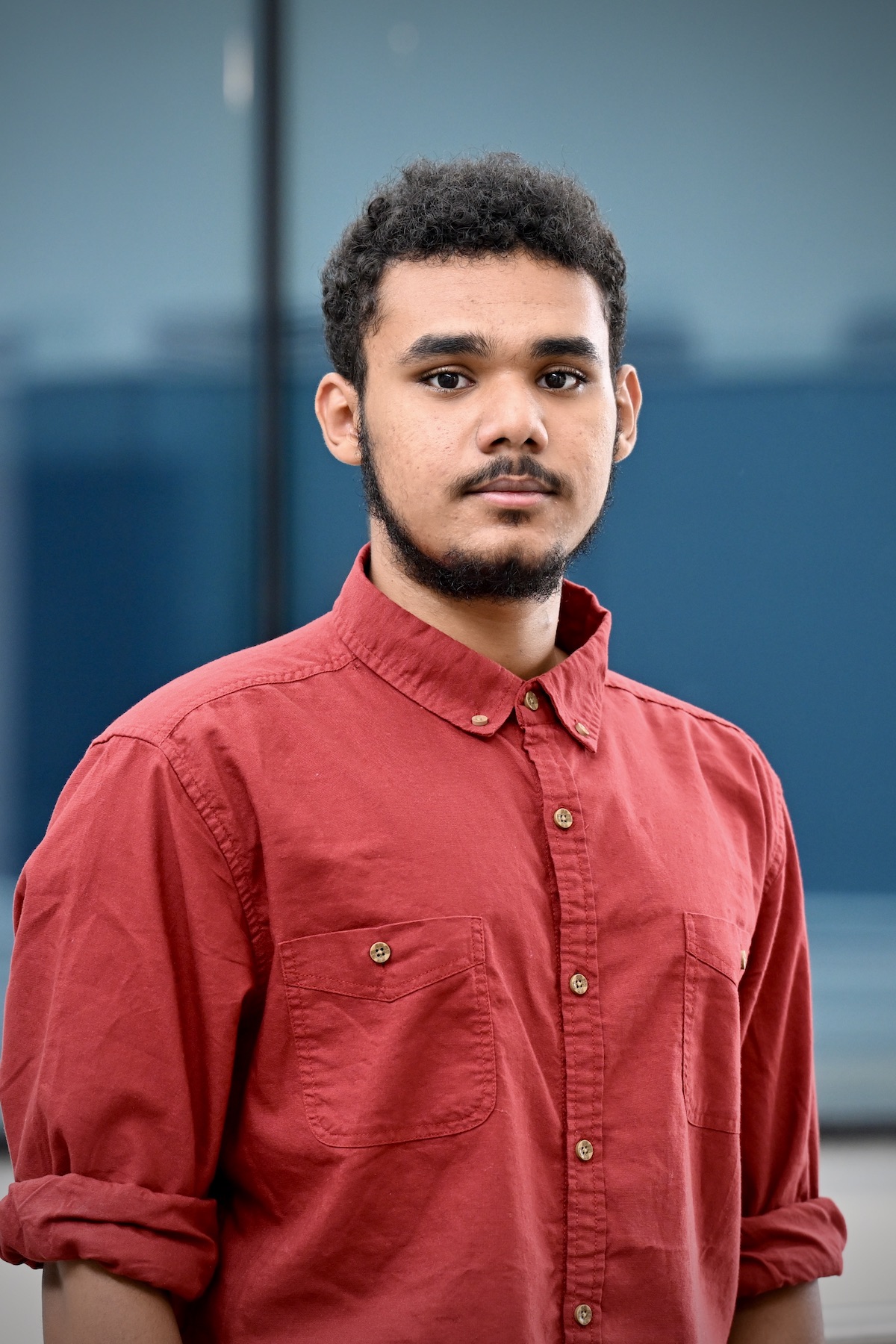 “I’m really happy with NOVA’s Cybersecurity program. It provides a solid foundation with plenty of projects and hands-on practice. The professors genuinely want you to succeed and are always willing to help, whether by extending due dates or meeting during office hours in person or online. The program prepares you for the real world, not just the classroom.”
Mohamed Taha graduated from NOVA in May with an associate degree in Cybersecurity. His interest in the field began in high school, fueled by a fascination with how technology works—especially the challenge of securing systems from hackers by uncovering and addressing vulnerabilities. The more he learned, the more he saw cybersecurity as the perfect fit: a fast-growing field where everything is becoming more connected, the demand for security is rising, and thinking like an attacker is part of the job. For Mohamed, it promised to be challenging, creative, and never boring.
During his senior year, he researched programs and online reviews and discovered that NOVA’s Cybersecurity program stood out for its professors with real-world industry experience. It was also an affordable, close-to-home option that offered hands-on learning through internships and a diverse, supportive community where students could grow both personally and professionally.
Two professors were especially influential: Kwabena Konadu and Fernando Seminario. “They had a huge impact on me—not just by teaching the technical side of cyber, but by showing me how to think critically and solve problems,” Mohamed says. “They truly care about their students and were the ones who guided me toward my current internship.”
In June, Mohamed, along with three other NOVA students, secured a NASA ULI Summer Internship through NOVA at George Washington University’s Intelligent Aerospace Systems Lab. The internship, which concludes in August, focuses on protecting autonomous drones from cyberattacks.
“Since the drone was being used for testing, my teammates and I built a virtual lab to simulate it,” he explains. “That included the software it uses for autopilot. We worked on spoofing, hacking, and redirecting the drone from its original path through what’s called a man-in-the-middle attack, which intercepts communication. We were also able to secure the communication after hacking it, ensuring that no one could attempt the same type of attack we carried out initially.
“We faced many challenges, but troubleshooting throughout the project gave me a deeper understanding of both attacking and defending a system.”
Mohamed’s Advice to Future Cybersecurity Students:
- Be curious.
- Be consistent.
- Be engaged.
- Don’t be afraid to answer questions.
- Remember, cybersecurity can be challenging, so don’t be afraid to fail—it’s part of the learning process, especially when you’re starting out.
- Take advantage of all the resources NOVA offers, whether it’s labs, clubs, competitions, or internships.
This fall, Mohamed will begin a bachelor’s degree in Cybersecurity at George Mason University (GMU). He was part of the ADVANCE program, a dual-admission partnership between NOVA and GMU. After graduating, he hopes to work as either a cybersecurity professional analyst or a penetration tester—someone who tests an organization’s infrastructure to identify vulnerabilities and help secure its systems.
He also plans to earn additional certifications and possibly pursue a master’s degree.
His ultimate goal is to work at NASA, a dream he’s had since childhood when he wanted to become an astronaut.
“I’m very grateful for the opportunities I had at NOVA,” Mohamed says. “All of the assignments, projects, internships, and guidance from professors have shaped me both technically and personally. I’m also motivated by my parents, who made many sacrifices to support my education. I just want to make them proud through the work I do in cyber.”